The Complete Pre-Tow Safety Inspection Checklist for Travel Trailers and Fifth Wheels
Commercial airline pilots never take off without running through a strict pre-flight checklist, even if they have flown the exact same route a hundred times. Towing a heavy travel trailer or fifth-wheel at 65 miles per hour requires that exact same level of discipline.
The vast majority of towing disasters—from blown tires to detached trailers—are completely preventable. They happen because a driver was rushed, distracted, or simply assumed everything was fine since the last time they towed.
To protect your family, your vehicle, and other drivers on the road, memorize and rigidly apply this complete pre-tow safety inspection checklist every single time you hitch up.
1. The Hitch and Connection Point
The connection between your tow vehicle and your trailer is the most critical point of failure. Never rely on a visual glance; put your hands on the hardware.
- Coupler and Latch: Ensure the trailer coupler is seated completely over the hitch ball, not resting on top of it. The locking latch must be pushed down completely.
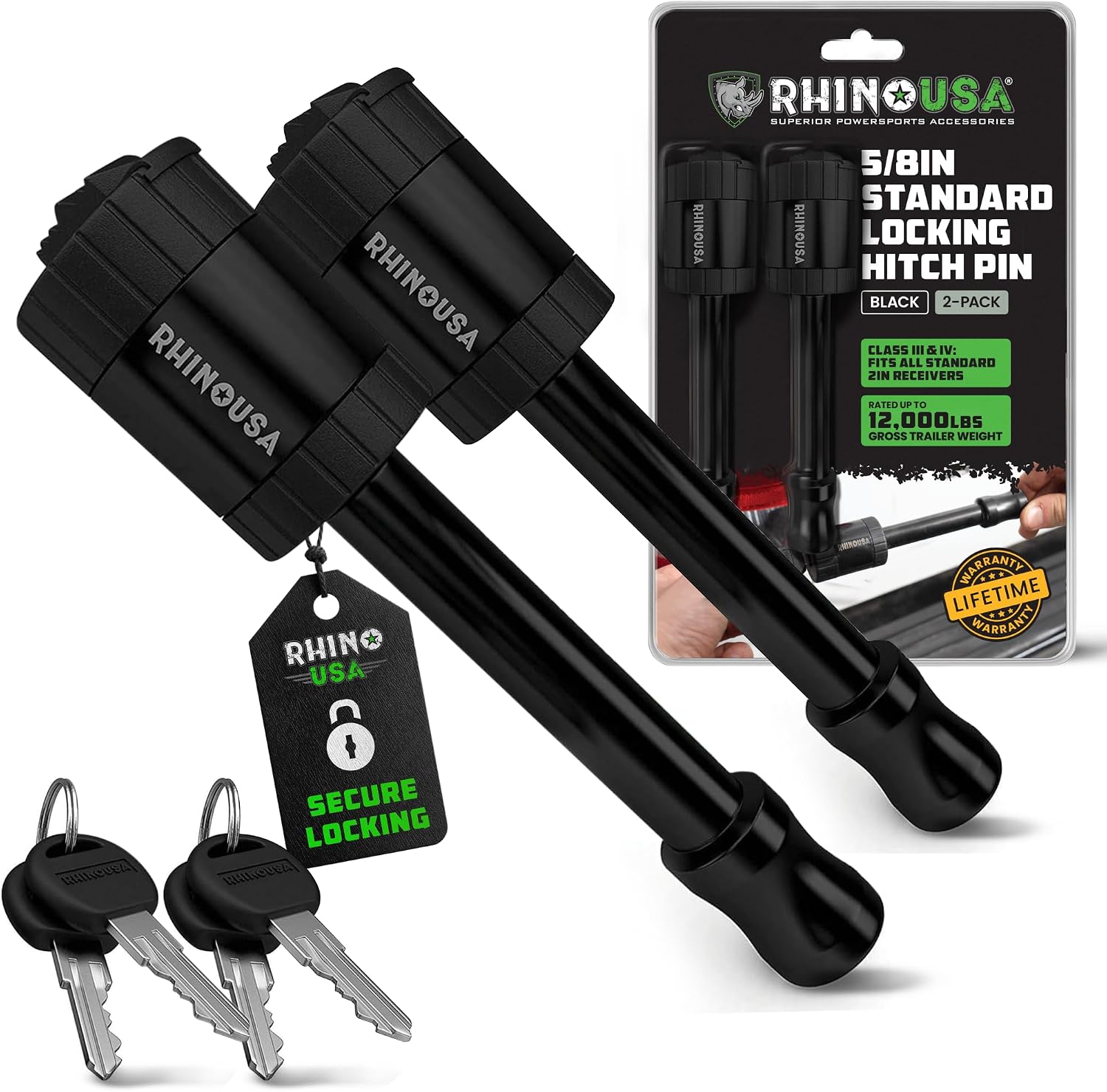
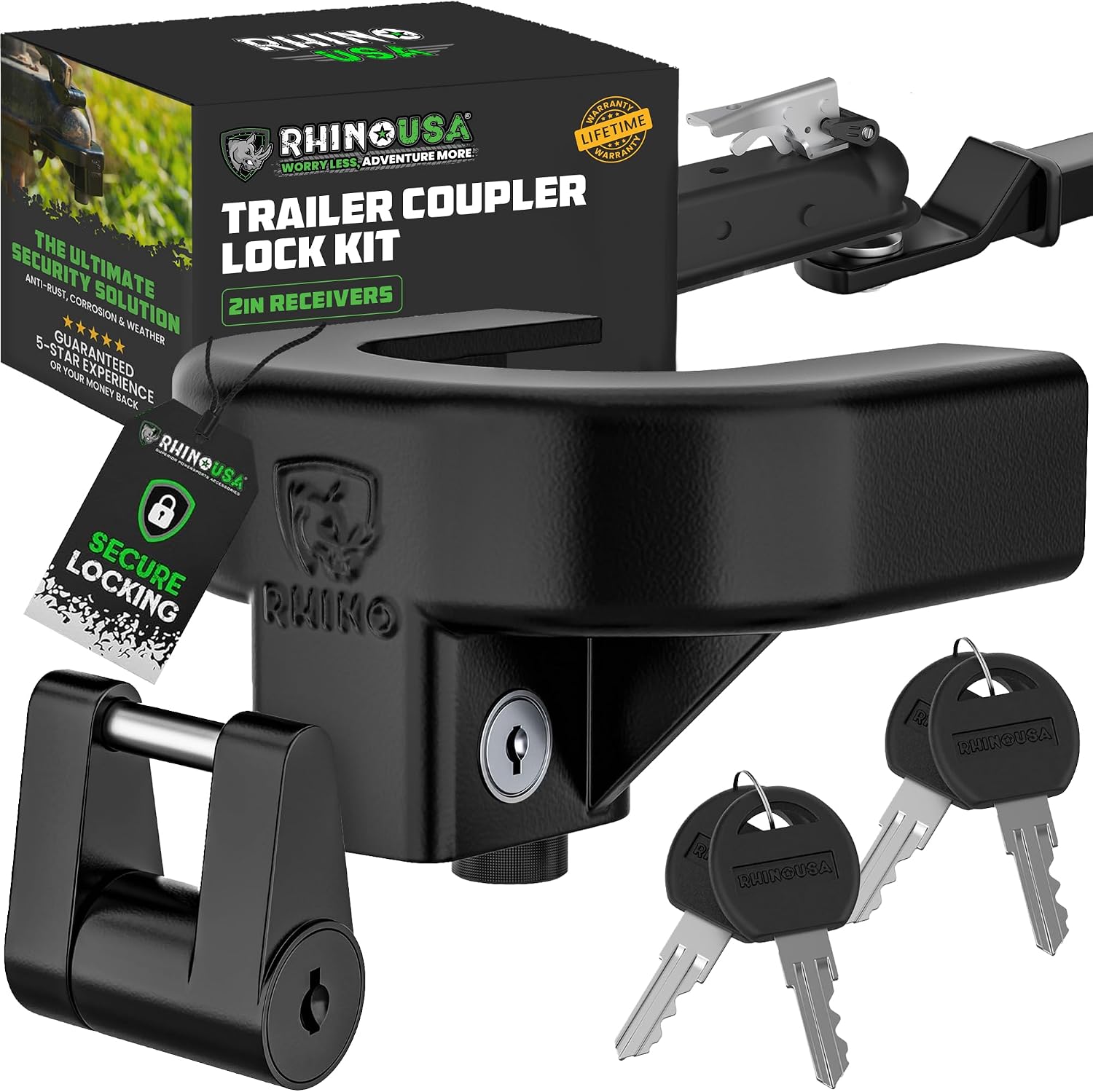
- Hitch Pin and Lock: Verify that a physical hitch pin, lock, or bolt is completely inserted through the coupler latch to prevent it from vibrating open on a bumpy road.
- Safety Chains: Your safety chains must be crossed underneath the trailer tongue to create a “cradle.” If the trailer detaches, this cradle will catch the tongue and prevent it from digging into the pavement. Ensure the chains have enough slack to allow for tight turns, but not so much that they drag on the ground.
- Breakaway Cable: Attach the emergency breakaway cable directly to a solid mounting point on the tow vehicle's frame or hitch receiver—not to the safety chains. If the chains fail, this cable pulls a pin that instantly locks the trailer's brakes.
- Weight Distribution Hardware: If using a WDH, confirm all spring bars are properly tensioned, L-brackets are pinned securely, and sway control friction bars (if applicable) are engaged.
2. Tires, Wheels, and Axles
Trailer tires endure significantly more abuse than passenger vehicle tires. A trailer blowout at highway speeds can easily flip your entire rig.
- Cold Tire Pressure: Check the PSI of all trailer tires, plus your tow vehicle's rear tires, using a manual gauge. Always measure when the tires are cold (before driving). Inflate them to the exact maximum cold PSI listed on the tire sidewall.
- Lug Nut Torque: Trailer lug nuts can loosen over time due to intense vibration. Use a torque wrench to ensure every single lug nut is tightened to the manufacturer's specified torque rating (usually between 90 and 120 ft-lbs).
- Tread and Sidewall Inspection: Look for uneven tread wear (a sign of a bent axle) and inspect the sidewalls for dry rot, deep cracks, or bubbling. Most trailer tires expire after 3 to 5 years, regardless of how much tread is left.
- Wheel Bearings: Grab the top of each trailer tire and push/pull vigorously. If you feel any clicking, popping, or shifting, your wheel bearings need immediate repacking or replacement before the trip.
3. Electronics and Lights
You must ensure your tow vehicle can effectively communicate with the trailer's braking and lighting systems.
- 7-Way Plug Connection: Inspect the 7-way wiring umbilical cord. The copper prongs should be clean and free of green corrosion. Push it firmly into the tow vehicle's receptacle and ensure the spring-loaded door locks onto the plug's top tab so it cannot pull out.
- Light Walkaround: Have a partner stand behind the trailer while you test the vehicle's functions. Verify the running lights, left turn signal, right turn signal, and brake lights are all bright and functioning.
- Brake Controller Test: Pull forward at 5 mph and manually squeeze the override lever on your electronic brake controller. You should feel the trailer brakes aggressively stop the tow vehicle. If they don't, check your wiring.
4. Exterior Cargo and Clearances
Finally, secure the “house” part of the trailer to ensure nothing flies off or opens during transit.
- Doors and Hatches: Physically push on all exterior storage compartment doors and the main entry door to verify they are locked and deadbolted.
- Awnings and Antennas: Confirm the patio awning is fully retracted and locked. Ensure the TV/WiFi antenna is cranked all the way down to a flat position.
- Steps and Stabilizers: Fold the entry steps securely into their travel position. Walk around the trailer to confirm all four scissor stabilizer jacks are completely raised.
- Propane and Utilities: Turn off the main valves on your propane tanks (unless actively running a 3-way fridge). Disconnect and stow the shore power cord, city water hose, and sewer hose.
5. The Final Numbers Check
Even a perfectly hooked-up trailer is dangerous if it is simply too heavy for the tow vehicle.
Before you pull out of the driveway, you must account for all the cargo, water, and passengers you loaded into the rig. Water alone weighs 8.3 pounds per gallon—a full freshwater tank can add hundreds of pounds to your payload in seconds.
Don't guess. Run your final, fully loaded numbers through our Safe Towing Calculator. It will calculate your real-time payload utilization and give you the peace of mind that your rig is mathematically safe for the journey ahead.